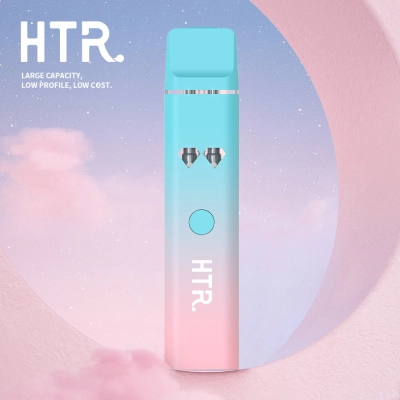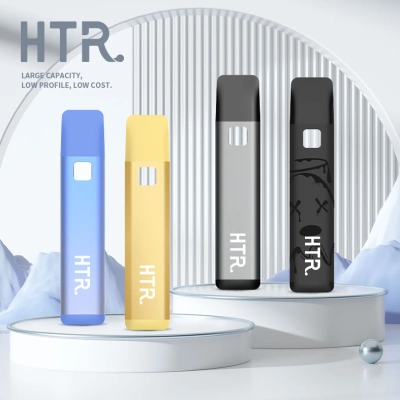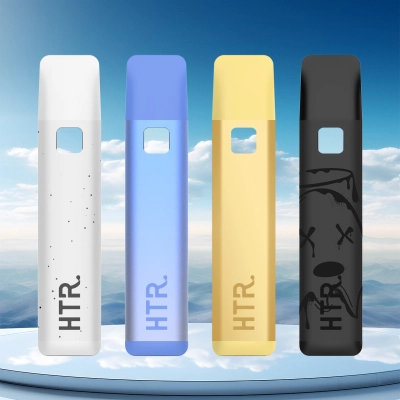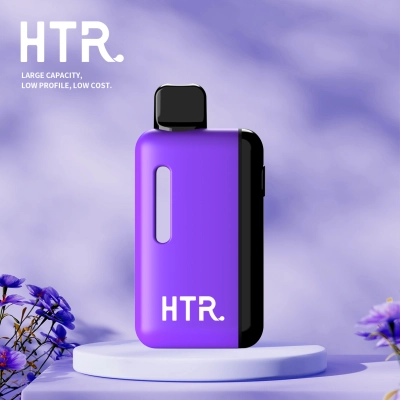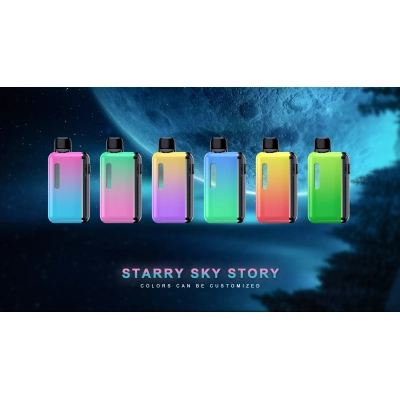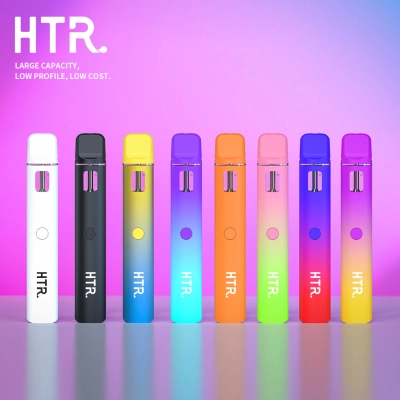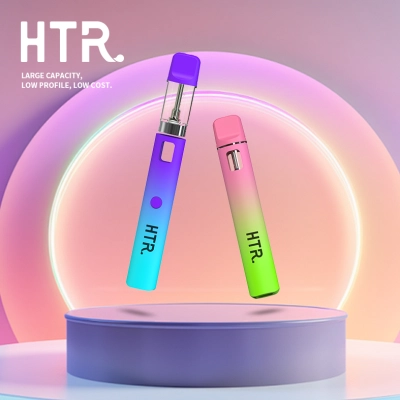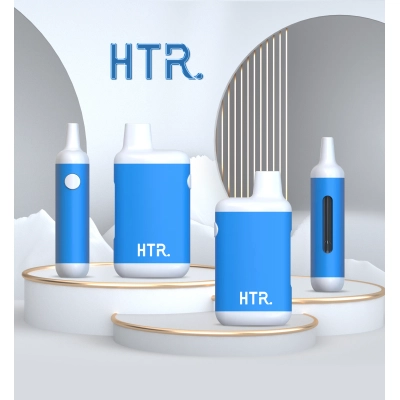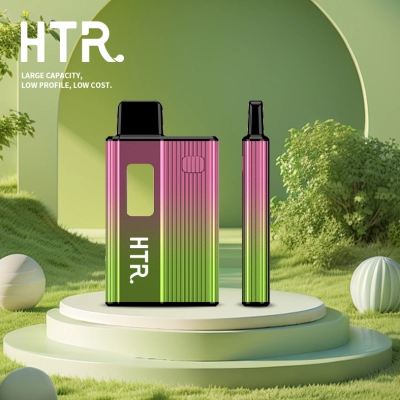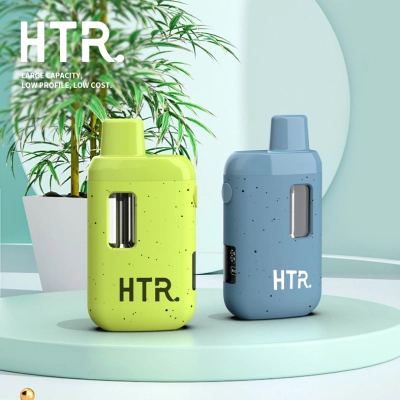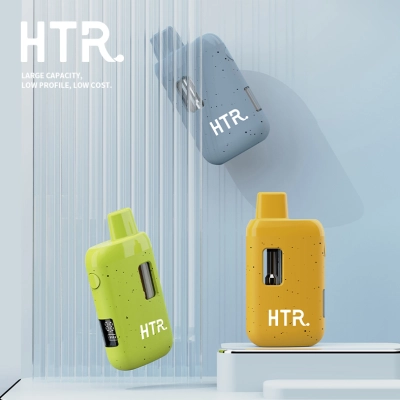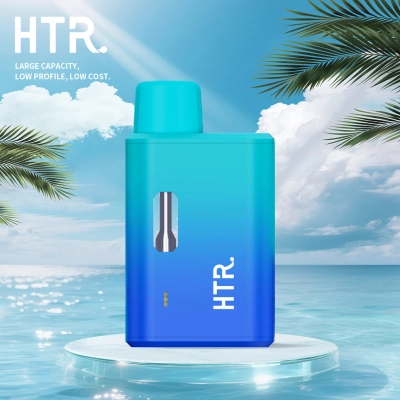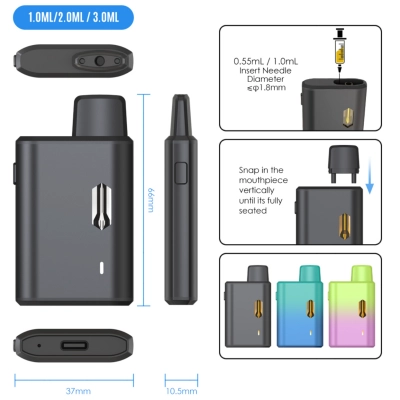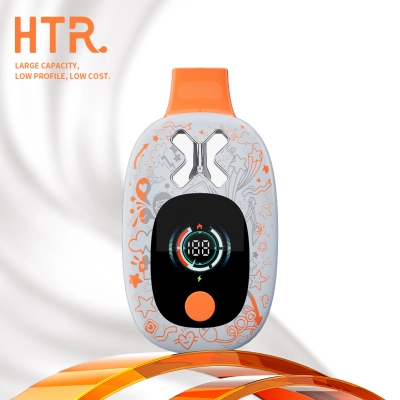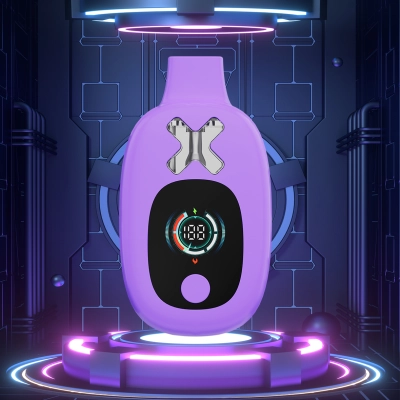
Intro:What ODM Means at HTR
At HTR, ODM means we don’t just adapt an existing device –
we co-develop a new empty vape hardware platform with you, from concept and industrial design to tooling, pilot runs and mass production.
For licensed cannabis and hemp brands that want a unique, long-term hardware platform, ODM is often the right path.
HTR focuses on empty hardware only – we do not manufacture, fill or sell any oil, nicotine or THC products.
Our role is to become the engineering and manufacturing partner behind your devices.
OEM vs ODM – What’s the Difference?
OEM is ideal when you want to:
-
Start fast with a proven platform
-
Customize colors, logos, packaging and some specifications
-
Control cost and lead time with lower development investment
ODM is ideal when you want to:
-
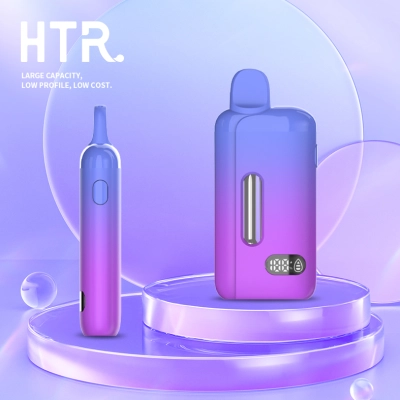
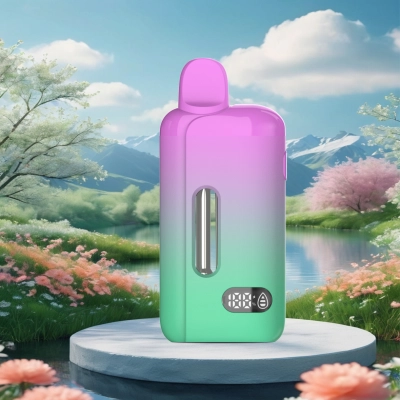
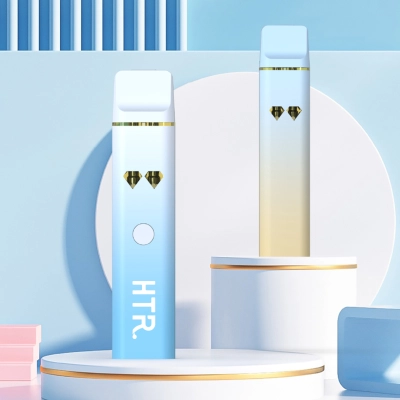
Create a new form factor or platform (for example: a unique bar, UFO, postless or dual-chamber design)
-
Lock in a long-term, differentiated device that only your brand uses
-
Involve HTR from concept and industrial design all the way through to tooling and lifecycle support
In short:
OEM = adapting existing platforms
ODM = co-developing a new platform together
When Does ODM Make Sense?
Brands typically choose ODM when:
-
Your current hardware looks too similar to the competition
-
You want a flagship device that clearly belongs to your brand
-
You are planning for multi-market, multi-year distribution
-
You are ready to invest in design, tooling and validation, not just a quick SKU
Typical ODM projects include:
-
New disposable or postless form factors
-
Dual-chamber or 1g+1g / 4g+4g concepts
-
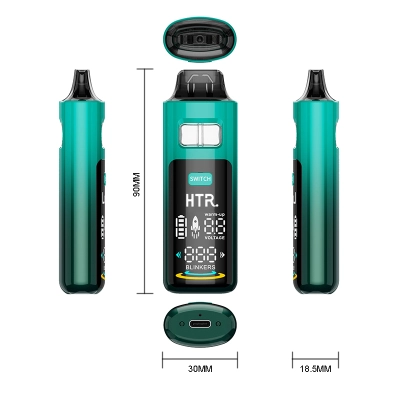
Screen vapes with custom UI and usage modes
-
Platform families: one design across multiple capacities
Our ODM Development Process
1. Briefing & market positioning
We start by understanding your brand, target users, oil type, key markets and price positioning.
Together we define what this new device should achieve: capacity, usage scenario, visual language and key features.
2. Concept & industrial design
Our design team creates concept sketches and 3D proposals that translate your brand into a device:
shape, proportions, grip, oil windows, button and screen placement, lighting and branding areas.
3. Engineering & DFM (Design for Manufacturing)
Once a direction is chosen, our engineers turn the concept into a realistic structure:
-
Internal layout for tanks, coil, battery and PCB
-
Coil resistance and intake design for your oil
-
Structural design for sealing, assembly and durability
-
Design for efficient manufacturing and QC
4. Prototyping & validation
We build prototypes and engineering samples for:
-
In-hand feel & aesthetic review
-
Filling and usage tests with your own oil
-
Leak, clog, drop and temperature cycling checks
-
Feedback from your internal team or selected users
We iterate if needed before committing to final tooling.
5. Tooling, pilot run & approvals
After confirmation, we open molds and run a pilot batch under mass-production conditions.
You validate performance, yield and field feedback.
Once approved, we finalize specifications and SOPs.
6. Mass production & lifecycle support
We move into stable production with structured QC.
We monitor feedback, update components if needed and support potential future variants (e.g. different capacities, finishes or screen versions) based on the same platform.
Design & Engineering Capabilities
In ODM projects, HTR can support:
-
Industrial design
-
Form factors: bar, flat, rounded, UFO, dual-chamber, postless, etc.
-
Visual language aligned with your brand and packaging
-
-
Mechanical & electrical engineering
-
Coil and intake system design for thick oil, live resin or rosin
-
Battery and PCB design for screen and indicator functions
-
Structural design for sealing, assembly and drop resistance
-
-
Firmware & UI (for screen devices)
-
Basic UI for battery, puff, mode indication
-
Icons and layouts consistent with your brand
-
-
Packaging integration
-
Trays, individual boxes and display units made to fit your new form factor
-
Alignment between device design and packaging design
-
Throughout the process, we keep a strong focus on manufacturability, consistency and QC, not just aesthetics.
IP, Exclusivity & Confidentiality
ODM projects are built on trust and clear agreements.
-
HTR signs NDA/confidentiality agreements upon request
-
We discuss exclusivity scope (time, region, channel, volume) for your ODM platform
-
We do not sell your ODM hardware to other brands within the agreed scope
Exact IP and exclusivity terms are defined case by case, depending on project investment and cooperation model.
Who Our ODM Service Is For
HTR’s ODM service is best suited for:
-
Established cannabis and hemp brands
looking to build a flagship device platform. -
Multi-market distributors or groups
that need a unique device family across several countries or channels. -
Long-term partners
who value engineering input, QC and lifecycle support more than short-term unit price.
If you are ready to move beyond standard shapes and build a recognizable, ownable hardware platform, ODM is likely the right path.
Start an ODM Project with HTR
To explore an ODM project with HTR, you can prepare:
-
A short description of your brand and target markets
-
Your oil type and target capacities
-
Reference devices you like (and what you don’t like about them)
-
Your launch timeline and estimated volume
Then contact our team at htrvape.com or through your usual HTR sales contact.
We will review your brief, share initial suggestions and outline a realistic ODM roadmap, including timing, budget and milestones.