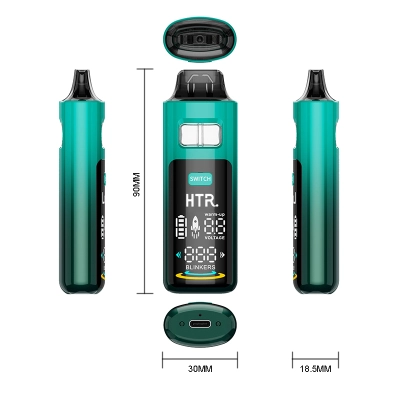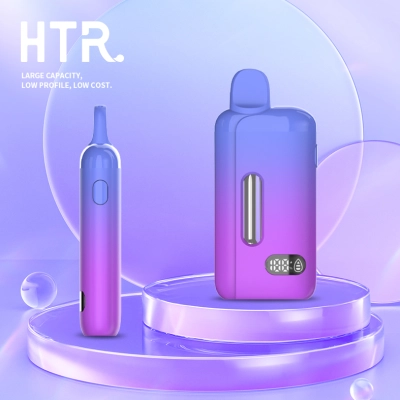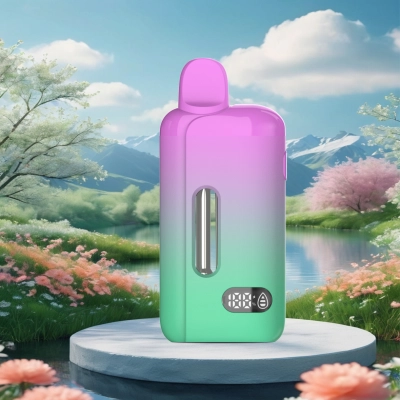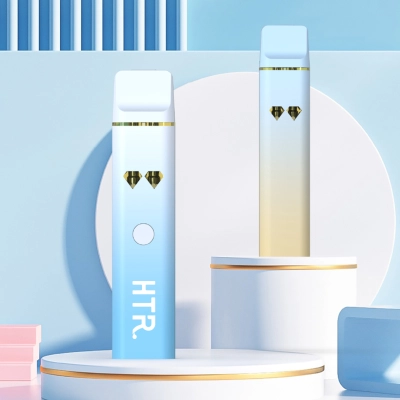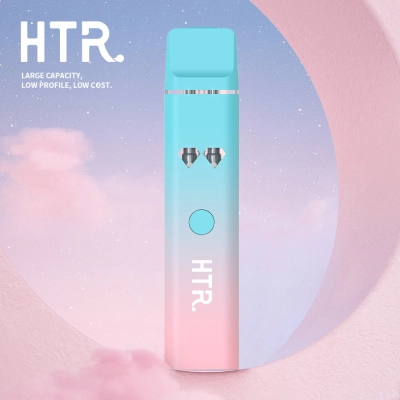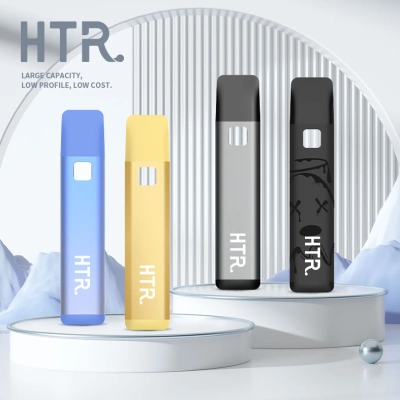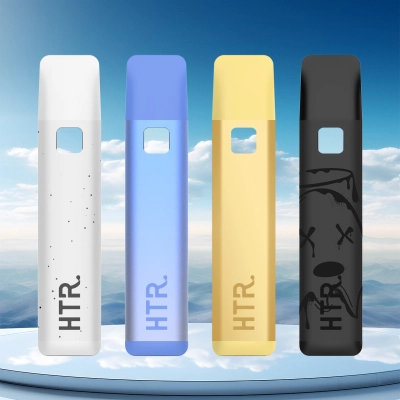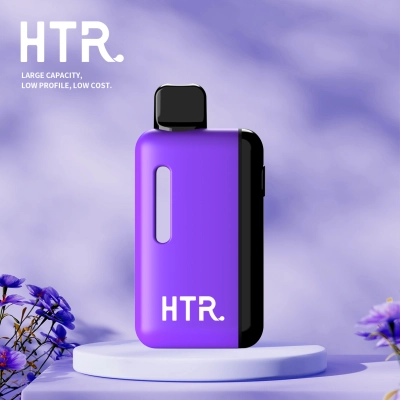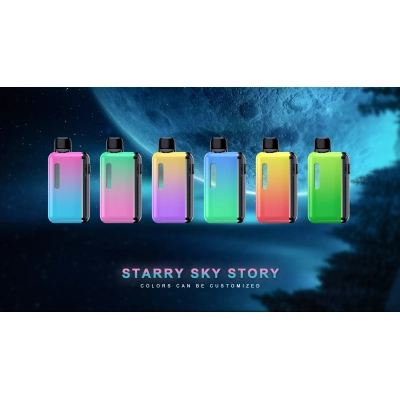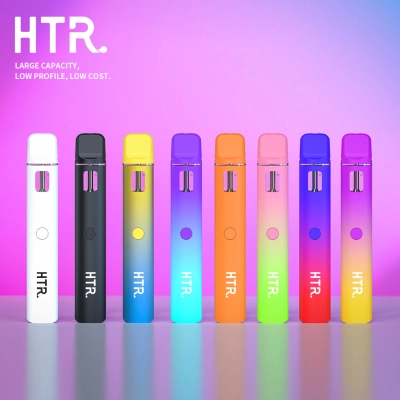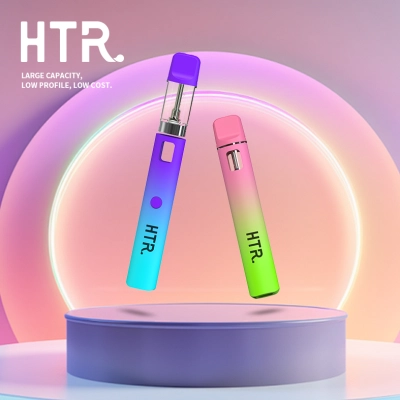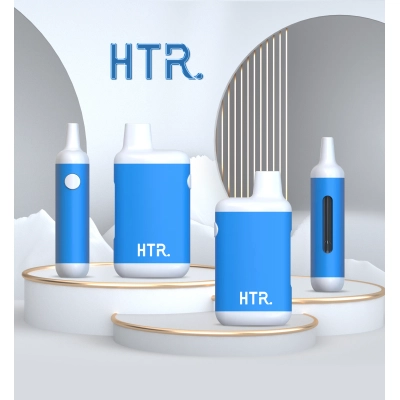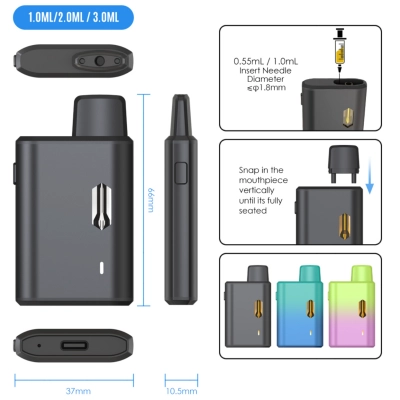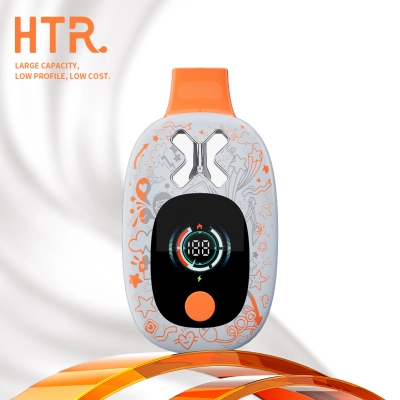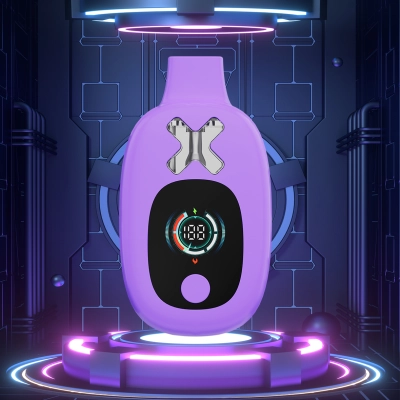
Empty vape hardware only – no oil, no nicotine, no THC. This FAQ is for B2B buyers, brands, processors and distributors working with HTR hardware platforms.
1. General About HTR
Q1. Who is HTR and what do you manufacture?
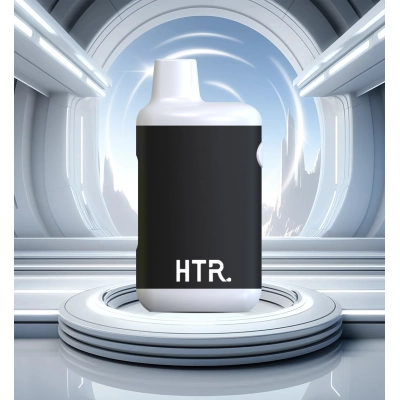
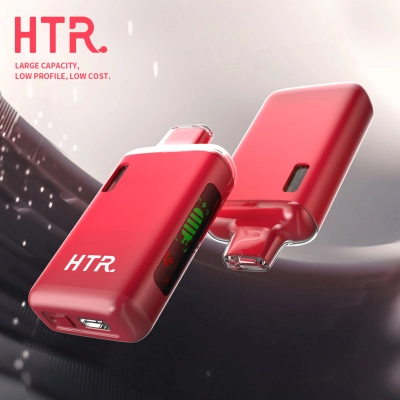
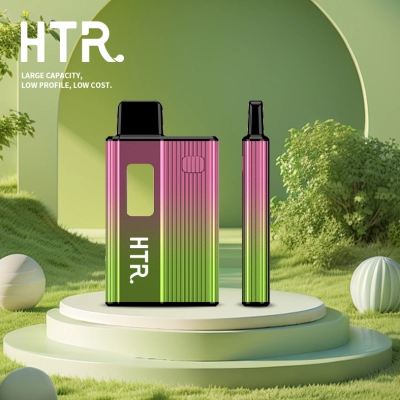
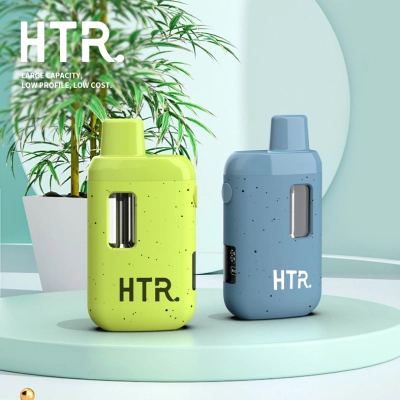
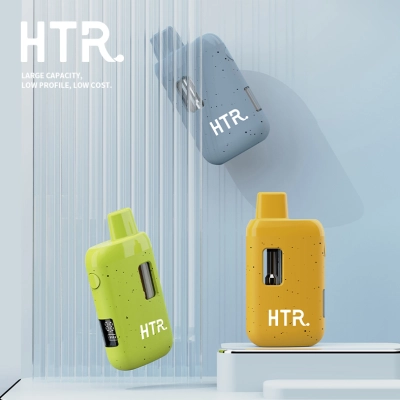
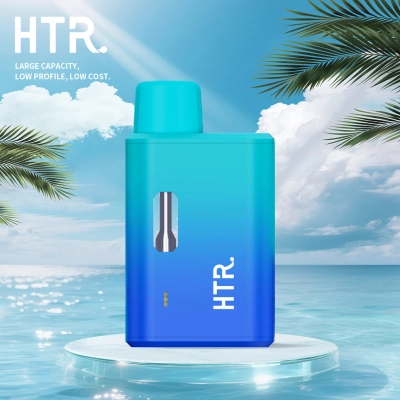
A: HTR is a vape hardware manufacturer focused on empty cannabis vape devices for legal markets. We design and produce disposable vapes, postless disposables, 510 cartridges, pods, batteries and accessories for B2B customers such as brands, processors, distributors and white-label partners.
Q2. Do you sell filled vapes or cannabis oil?
A: No. HTR only supplies empty vape hardware. We do not manufacture, sell or ship any cannabis oil, nicotine e-liquid or finished THC/CBD products. All filling, formulation and compliance for oil is handled by our customers and their licensed partners.
Q3. Are you a factory or a trading company?
A: We operate as a hardware manufacturer with in-house engineering, tooling and assembly, plus regional warehouse partners. That means we can support both off-the-shelf SKUs and custom OEM/ODM projects from concept to mass production.
Q4. Which markets do you serve?
A: We primarily work with licensed brands and processors in North America and Europe, as well as selected markets in LATAM and other regions where cannabis or hemp products are legal. Hardware shipments always follow local regulations for batteries and electronic devices.
2. Product Types & Compatibility
Q5. What types of disposable vape hardware do you offer?
A: Our portfolio includes:
-
Standard disposables (1g / 2g / 3g / 4g+)
-
Postless disposables (integrated tank + battery)
-
Dual-chamber / switch disposables
-
High-capacity disposables (multi-gram / multi-ml)
-
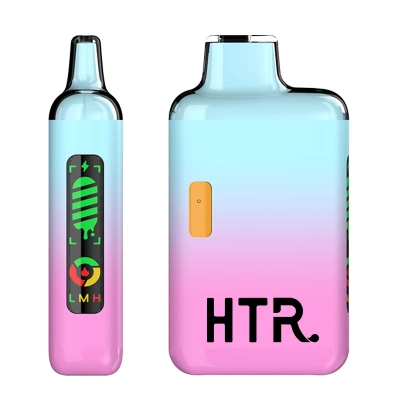
Devices with LED indicators or screens
-
Matching batteries, pods and 510 cartridges
We can recommend specific models based on your oil type, viscosity and target price point.
Q6. Are your devices suitable for thick oil, distillate, live resin or rosin?
A: Yes – most HTR hardware is engineered for high-viscosity cannabis extracts, including distillate, live resin and rosin, provided they are properly filtered and winterized by your lab. We use ceramic heating cores and enlarged intake ports on models intended for thick oil. For very thick or live resin/rosin formulas, we will suggest specific SKUs with the right intake design and coil resistance.
Q7. What coil type and resistance do you use?
A: Our flagship models use porous ceramic cores with resistances typically in the 1.0–1.6 Ω range, depending on format and capacity. The resistance and power curve are matched to provide smooth, consistent vapor while protecting flavor and minimizing burn risk.
Q8. Do you offer adjustable airflow, pre-heat or multiple power modes?
A: Selected models can be configured with adjustable airflow, pre-heat function, multi-mode power, Type-C charging and puff counters or battery screens. Please share your target features and price band so we can recommend suitable platforms.
3. Filling, Capping & Production
Q9. Are the disposables delivered fully assembled or in components for filling?
A: For most customers we ship unfilled devices in two or more parts (tank + battery + mouthpiece/cap). Your team or filling partner fills the tank on their line, then completes capping and final packaging according to our filling SOP.
Q10. Are your disposables top-fill or bottom-fill?
A: We provide both top-fill and bottom-fill designs depending on the model. Your sales rep can suggest specific SKUs that best match your current filling equipment and standard operating procedures.
Q11. Are HTR devices compatible with common automated filling systems?
A: Yes. Our key SKUs are designed to work with mainstream automated fillers and capping machines. We can share dimensions, torque specs and recommended fixtures for your line and, where needed, coordinate with your equipment provider to validate compatibility.
Q12. What filling temperature and viscosity do you recommend?
A: Optimal parameters depend on your formulation, but in general we recommend:
-
Properly filtered, homogenous oil with no large particulates or wax clumps
-
Controlled filling temperature that reduces viscosity without overheating terpenes
-
Respecting our max fill volume and capping time windows for each model
Your HTR rep can provide model-specific guidelines based on your oil type.
Q13. How long should filled devices rest before packaging and shipping?
A: We typically recommend a rest period after filling and capping to allow oil to fully soak the core and stabilize. The resting time depends on oil viscosity and device design; we can share a suggested timeline during sampling and pilot runs.
4. Quality, Reliability & QC
Q14. What is your typical leak or failure rate in mass production?
A: For standard, properly filled models, our target is a very low leak and failure rate in line with leading industry benchmarks. Actual numbers depend on the model and on-site filling controls. We always encourage customers to run pilot batches and track field performance to fine-tune parameters together.
Q15. What reliability tests do you run on disposable hardware?
A: Our engineering and QC teams run a combination of:
-
Dimensional and tolerance checks on critical components
-
Air-tightness / leak tests on assembled devices
-
Functional tests (resistance, firing, charging where applicable)
-
Environmental and transport tests (temperature cycling, vibration, drop tests, storage simulations)
Results can be shared as part of your onboarding and qualification process.
Q16. How do you control batch-to-batch consistency?
A: We work with standardized component suppliers, fixed BOMs and incoming inspection on key parts (tanks, coils, batteries). Each lot has traceable IDs, and critical parameters such as resistance and torque are sampled and recorded before shipment.
Q17. What is your policy if we receive defective devices?
A: In case of verified hardware defects, we work with customers on replacement or credit solutions based on agreed RMA terms. To help us respond quickly, we usually ask for lot numbers, pictures/videos and failure descriptions so we can trace the issue and adjust upstream controls.
5. Customization, Branding & OEM/ODM
Q18. What customization options do you offer?
A: We support a wide range of customization, including:
-
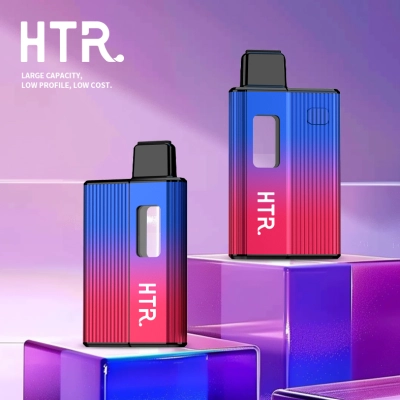
Housing color and finish (solid, gradient, rubber oil, metallic, etc.)
-
Logo & graphics (printing, laser, UV, special effects)
-
Mouthpiece shape and material
-
Window designs to show oil level
-
LED light / screen / indicator layouts
-
Packaging (inner trays, color boxes, display boxes, labels, security features)
Q19. What is the MOQ for custom colors and branding?
A: MOQ varies by process:
-
Stock colors & simple logo printing: relatively low MOQs
-
Fully custom colors, complex finishes or unique molds: higher MOQs and possible tooling charges
Your HTR sales contact can provide model-specific MOQs and costs once we know your requirements.
Q20. Can you develop a fully custom disposable design for our brand?
A: Yes. For OEM/ODM projects we can work from your industrial design concept or brand brief to co-develop a unique device. We usually go through stages: concept review → engineering drawing → prototype → tooling → pilot run → mass production.
Q21. What files do you need for branding and packaging?
A: For best results we recommend vector artwork (AI, PDF, EPS) and packaging keylines. If you need help with layout, we can cooperate with your design team or recommend a workflow.
6. Ordering, Pricing & Samples
Q22. What is your minimum order quantity (MOQ)?
A: MOQs differ by product family:
-
Standard stock models: lower MOQs suitable for pilot runs and smaller brands
-
Customized or OEM models: higher MOQs to support tooling and color runs
Please share your target model and annual volume so we can quote realistic MOQs.
Q23. Do you provide samples? Are samples free?
A: Yes. We encourage new customers to test samples with their own oil. Some samples may be free, while others are charged at sample pricing with the cost often credited against the first bulk order, depending on the project.
Q24. How do you quote prices?
A: Pricing depends on:
-
Product type and configuration
-
Customization level
-
Order quantity and total annual volume
-
Shipping method (ex-factory, shipped from local warehouse, or DDP options)
Your HTR sales rep will prepare a detailed quotation sheet after understanding your needs.
Q25. What payment terms do you offer?
A: Standard terms are typically T/T (bank transfer) with deposits for production orders. For repeat customers we may discuss adjusted terms based on order history and credit evaluation.
7. Shipping, Warehouses & Lead Times
Q26. Where do you ship from? Do you have overseas warehouses?
A: We can ship from our main production facilities and, for selected SKUs, from overseas warehouses to help reduce delivery time and customs complexity. Please ask about current warehouse locations and available models, as inventory may change over time.
Q27. What are the typical lead times for samples and bulk orders?
A: As a general guide:
-
Samples: usually within a short lead time once details are confirmed
-
Bulk orders: lead time depends on model, customization level and season
During high-season or for new toolings, we recommend building in extra time. Your rep will confirm a timeline in your PI.
Q28. Do you offer DDP shipping to the US/EU/UK/Canada?
A: For some regions and order sizes, we can support DDP (Delivered Duty Paid) or work with your freight partners under FOB / CIF terms. Let us know your destination and preferred shipping mode so we can advise options.
Q29. How do you pack devices to reduce damage and leakage during transport?
A: Devices are packed in protective inner trays and outer cartons, with packaging designed to minimize movement, pressure and temperature shock. For air and express shipments, battery and device packaging complies with applicable transport regulations.
8. Compliance & Documentation
Q30. What safety and compliance documents can you provide?
A: Depending on the model, we can provide:
-
MSDS for batteries and key materials
-
UN38.3 test reports for lithium batteries
-
Certain IEC / UL-related test reports for electronic safety
-
Material and heavy metal test reports for components where applicable
Please let us know which documents you need for your region and regulatory framework.
Q31. Who is responsible for product compliance in my market?
A: HTR provides empty hardware only and can share hardware-related test data. Final product compliance (including cannabis/nicotine content, labeling, local regulations and licensing) is the responsibility of the brand owner, filler and distributor in each market.
9. Support, After-Sales & Contact
Q32. How can we contact HTR for support or quotes?
A: You can reach us via email, contact form on our website, or designated sales channels (e.g. WhatsApp / WeChat / phone). Share your company profile, target markets, estimated volumes and interested models so we can assign the right account manager.
Q33. Do you sign NDAs and keep our projects confidential?
A: Yes. For OEM/ODM and strategic customers, we can sign Non-Disclosure Agreements (NDAs) and follow strict confidentiality procedures for designs, specifications and commercial terms.
Q34. What information should we prepare before our first meeting with HTR?
A: To make our first conversation efficient, it helps if you can prepare:
-
Your product types (disposables, carts, pods, postless, dual-chamber, etc.)
-
Oil type and viscosity (distillate, live resin, rosin, CBD, blended formulas)
-
Target capacities and features (1g/2g/3g, rechargeable, screen, etc.)
-
Estimated volumes and launch timeline
-
Any regulatory or packaging requirements in your target markets