
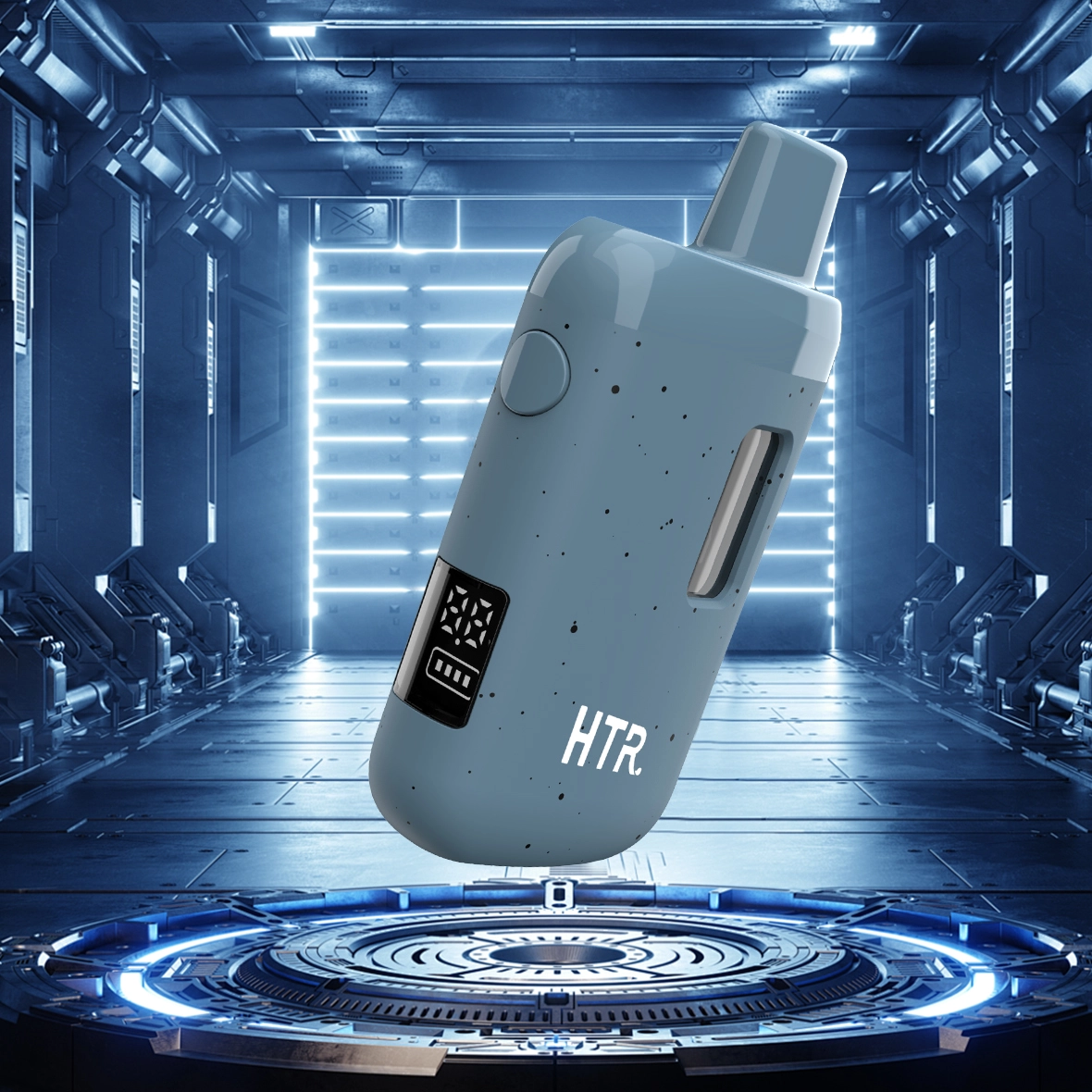
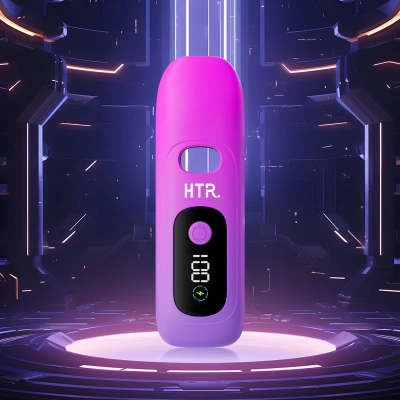
Choosing the best oil-inlet size, airflow path, and seal materials for vape devices like those from HTR depends on a few key things. Makers check oil thickness, how well air moves, and if the seals can handle heat and chemicals. The number of intake holes and how the airflow channels are set up change vapor quality and help stop leaks or clogs. Picking the right options for the device and user needs gives a smooth and good vaping experience.
Key Takeaways
-
Pick the correct oil-inlet size for your device and oil. This helps vapor move smoothly and stops leaks.
-
Make the airflow path better to improve vapor quality. Changing airflow can affect vapor heat and taste strength.
-
Choose the right seal material for your vape. Silicone is good for very hot or cold places. FKM is better when using strong chemicals.
Selecting the Right Oil-Inlet Size
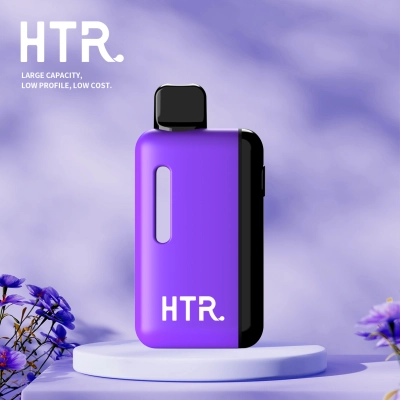
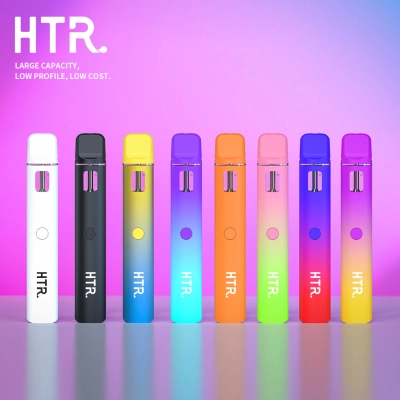
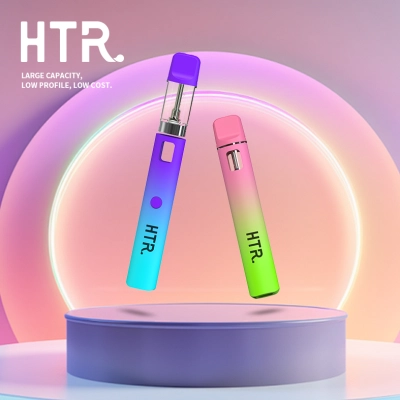
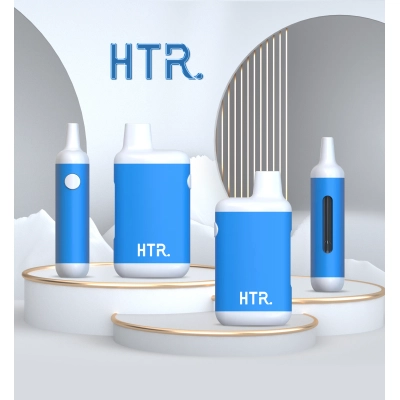
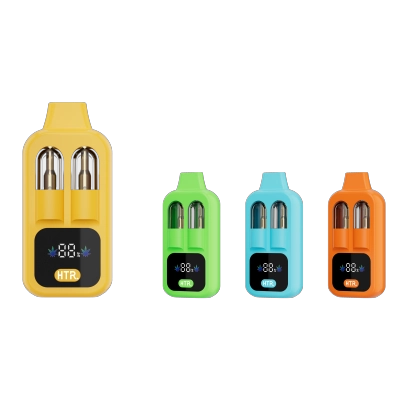
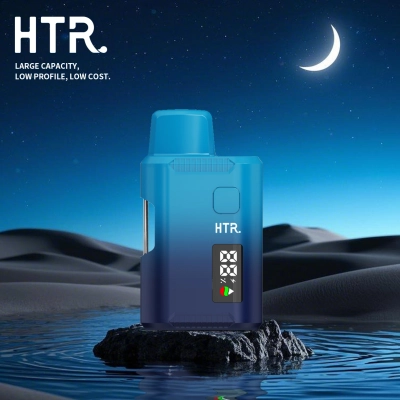
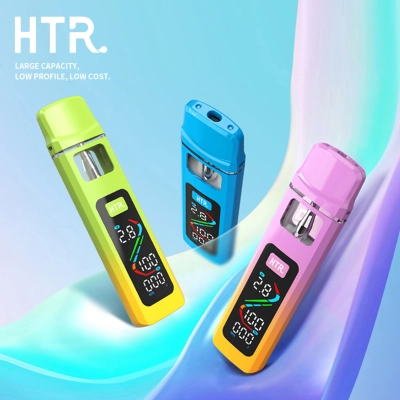
Picking the right oil-inlet size matters for every vape. The oil-inlet size decides how much oil goes into the heating part. This changes how much vapor you get and how it feels to use. HTR has many vape disposables and cartridges. This lets users pick what works best for them.
Measuring for Oil-Inlet Fit
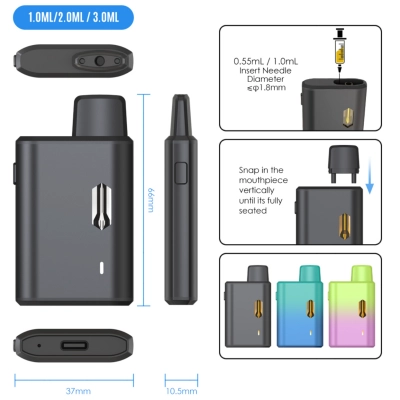
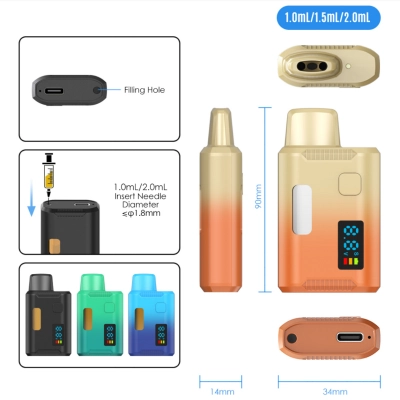
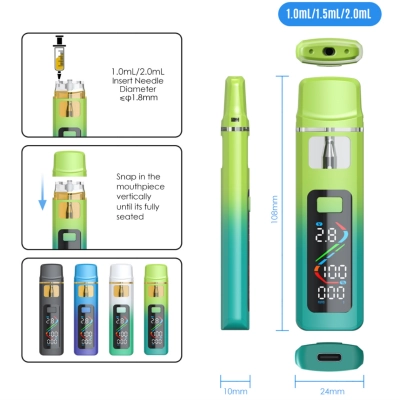
To find the right oil-inlet size, check your device first. HTR has disposables from 1g up to 8g. Their cartridges go from 0.5g to 5g. Each device has its own oil-inlet size that fits its shape. You can use a small ruler or caliper to check the oil-inlet hole’s width. Most vapes have oil-inlet sizes from 1.0mm to 2.0mm.
Tip: Always check the oil-inlet size before you fill the device. This helps stop leaks or clogs.
The table below shows common oil-inlet sizes and which oils work best:
|
Inlet Size |
Oil Type |
|---|---|
|
1.0-1.2mm |
Thinner oils (distillates) |
|
2.0mm |
Thicker extracts (live resin, rosin) |
Matching Flow Needs to Device Size
The oil-inlet size should fit the device size and how much vapor you want. Small devices, like HTR’s empty 1000mg thc dispo, use a smaller oil-inlet size. This keeps the flow steady and the vapor smooth. Bigger devices, like 8g disposables, need a bigger oil-inlet size. This helps them use more oil and make more vapor.
If the oil-inlet size is too small for a big device, oil may not move fast enough. If it is too big for a small device, it might leak. Picking the right match gives a better vaping experience.
Ensuring Compatibility with Oil Type
Different oils have different thickness. The oil-inlet size must fit the oil type. Thinner oils, like distillates, move easily and work with a smaller oil-inlet size. Thicker oils, like live resin or rosin, need a bigger oil-inlet size to flow well.
The table below shows how oil type and thickness change the best oil-inlet size:
|
Oil Type |
Viscosity Level |
Recommended Inlet Hole Size |
|---|---|---|
|
Distillate |
Lower Viscosity |
1.0-1.2mm |
|
Live Resin |
Thicker Consistency |
1.8-2.0mm |
|
Rosin |
Even Thicker |
2.0mm or larger |
HTR makes each device to work with certain oil types. Users should always check the oil-inlet size and oil thickness before filling. This keeps the vapor smooth and stops problems.
Note: The right oil-inlet size also keeps the device’s inside safe. Using the right size helps the heating part and seal last longer.
Choosing the right oil-inlet size means checking your device, measuring the opening, and matching it to the oil. Doing this helps users get the best from HTR best vape factory. It also keeps the device safe and makes vaping last longer and feel better.
Optimizing Airflow Path Design
Evaluating Layout for Efficiency
Vape makers care about how air moves in the device. Good airflow helps make better vapor and a nicer experience. They look at a few things to check if it works well:
-
Changing airflow changes how much vapor you get. More air means bigger clouds.
-
Airflow also changes the heat. More air cools the coil. Less air makes the vapor hotter.
-
Airflow can make flavors stronger. When air is focused, flavors taste better.
HTR uses these ideas to build devices that fit what users want. Their airflow systems let people use different oils and try new ways to vape.
Minimizing Pressure Drop
A smart airflow path keeps pressure drop low. This means every puff feels the same. Engineers use tools to check the air pressure inside. They test how strong and steady each puff is. If oil blocks the path, the tool shows a change. This helps fix problems so the device works right.
The table below shows how design choices change how well the device works:
|
Principle |
Impact on Efficiency and Performance |
|---|---|
|
Venturi Effect |
Makes air move faster and lowers pressure. This helps you draw vapor. |
|
Channel Geometry |
Shapes the air path to stop rough air and slowdowns. |
|
Minimizing Turbulence |
Keeps vapor even and makes flavors taste better. |
|
Reducing Resistance |
Makes it easier to inhale and get more vapor. |
Common Airflow Configurations
HTR and other brands use two main airflow styles:
-
Open airflow lets in lots of air. This makes cooler vapor and big clouds. The flavor is not as strong.
-
Restricted airflow lets in less air. This makes warmer vapor and stronger flavor. Many people like this for taste.
Designers pick the best airflow style for each device. Some devices let you change the airflow. This helps match the airflow to the oil-inlet size and oil type. It also helps balance vapor, flavor, and how hard you have to puff.
Tip: Always pick the airflow path that fits the oil-inlet size and oil type. This gives you the best vape.
Choosing Oil Seal Materials: Silicone vs. FKM
Comparing Material Properties
Picking the right oil seal helps stop leaks and keeps the vape clean. The seal’s material is important for how well the device works. Silicone and FKM are both used for oil seals. Each one has its own good points.
The table below shows how silicone and FKM oil seals are different:
|
Property |
Silicone |
FKM (Viton®) |
|---|---|---|
|
Temperature Resistance |
-50 °C to 230 °C |
-20 °C to 250 °C |
|
Tensile Strength |
5 MPa |
10 MPa |
|
Chemical Compatibility |
Oils, brake fluids |
Hydrocarbons, fuels |
|
Compression Set Resistance |
Excellent |
Excellent |
|
Weather Resistance |
Excellent |
Excellent |
|
Abrasion Resistance |
Poor |
Good |
|
Specific Applications |
High-temp static |
Chemical compatibility |
Silicone oil seals work in very cold and hot places. They can handle bad weather and keep their shape. FKM oil seals are stronger and last longer under pressure. FKM also works better with many vape oils.
Note: Silicone works best in very cold places. FKM is tougher and handles strong chemicals better.
Temperature and Chemical Resistance
It is important to think about temperature and chemicals when picking an oil seal. Vape devices get hot when you use them. The oil seal should not break or let anything bad inside.
The table below shows how silicone and FKM oil seals handle heat and chemicals:
|
Material |
Temp Range |
Chemical Resistance |
Durability |
Cost Level |
Best Applications |
|---|---|---|---|---|---|
|
FKM |
-20°C to 200°C |
Solvents and Chemicals |
Very High |
High |
Chemical processing, aerospace |
|
Silicone |
-60°C to 230°C |
Mild Chemicals and Heat |
Medium |
Medium |
Medical, food-grade, extreme temps |
Silicone oil seals can work in very cold and very hot places. FKM oil seals work in less cold but still very hot places. Some FKM seals can go up to 250°C. FKM oil seals do not get damaged by strong chemicals in vape oils. Silicone oil seals can handle mild chemicals and heat but may not last as long with strong oils.
Tip: Always check if the oil seal can handle the heat and chemicals before using it. This helps stop leaks and keeps the vape safe.
Application Suitability for Vapes
The right oil seal keeps the vape safe from leaks and dirt. Silicone oil seals are good for vapes that need to bend and work in very hot or cold places. FKM oil seals are better for vapes that use strong chemicals and need to be tough.
The table below shows where each oil seal works best:
|
Seal Type |
Key Properties |
|
|---|---|---|
|
FEP-Viton® (FKM) |
Exceptional chemical resistance, high-temperature stability, improved durability |
Chemical processing, oil and gas, automotive |
|
FEP-Silicone |
Biocompatibility, wide temperature range, flexibility |
Medical devices, food and beverage, electronics |
HTR picks oil seal materials that are strong and reliable. Their oil seals use special materials to fight heat, chemicals, and wear. This helps vape devices work well and keeps users safe from leaks and dirt.
HTR checks every oil seal before sending it out. They put in the oil seal and test it to make sure it is good. This helps stop leaks and keeps every device safe.
When picking an oil seal, users should look at how hot it can get, what chemicals it can handle, and how long it lasts. Silicone oil seals are good for medical and food vapes. FKM oil seals are best for vapes that use strong oils or need to be extra strong.
Remember: The oil seal’s material changes how long the vape lasts and how safe it is. Always pick the oil seal that fits the device and the oil you use.
Picking the right oil-inlet size, airflow path, and seal material helps users enjoy HTR devices. Users need to look at the device specs, oil type, and how much air they want. If the choice is hard, they can check things like how well the device works, how good the vapor is, and if customer support is helpful. Making a checklist can help users decide fast.
FAQ
What oil-inlet size works best for thick oils?
A 2.0mm oil-inlet size fits thick oils like live resin disposable vapes or rosin. This size helps oil flow smoothly and prevents clogging.
How does airflow path affect vaping experience?
The airflow path shapes vapor quality. Open airflow creates cooler, bigger clouds. Restricted airflow gives warmer vapor and stronger flavor.
Which seal material should users choose for strong oils?
FKM seals resist strong chemicals and high heat. Users should pick FKM for devices using potent or thick vape oils.


0 Comments