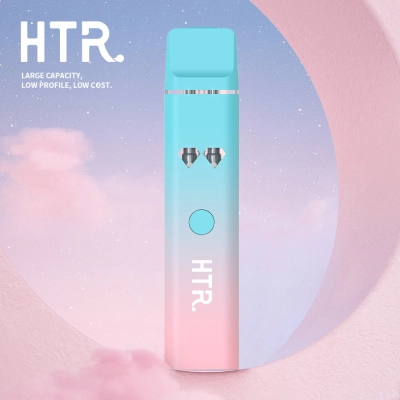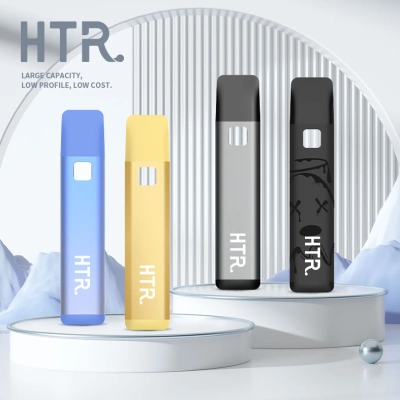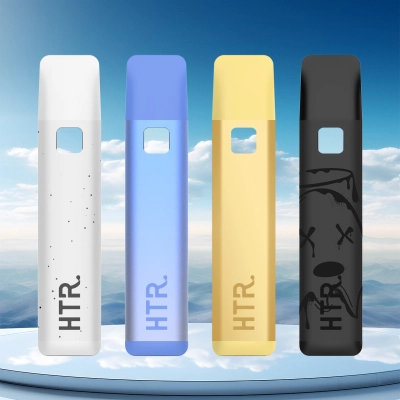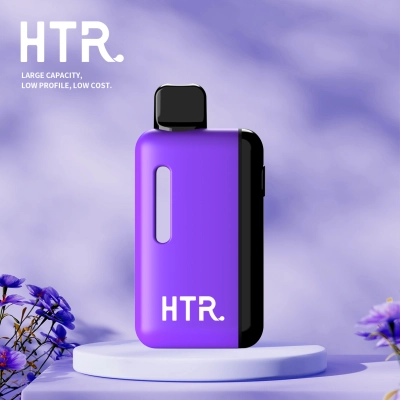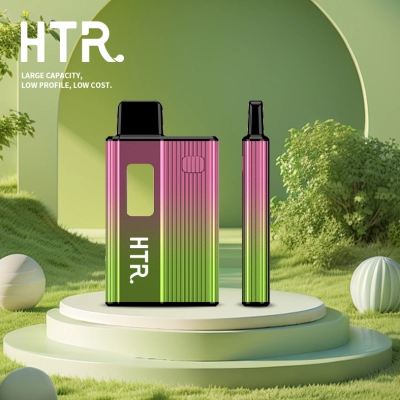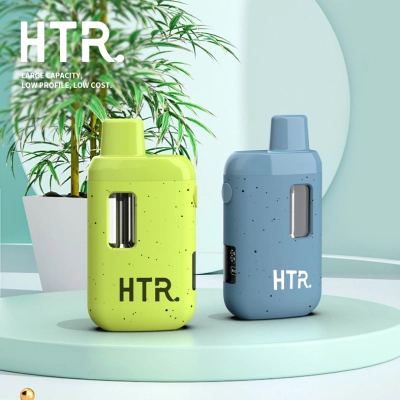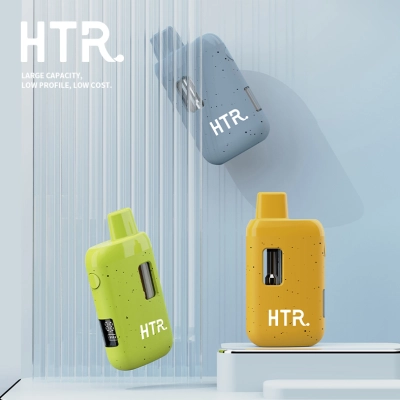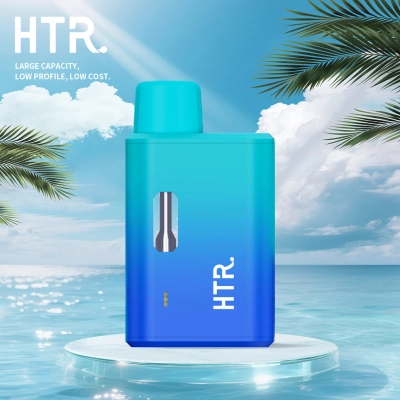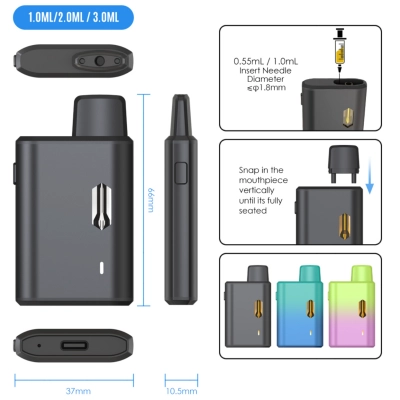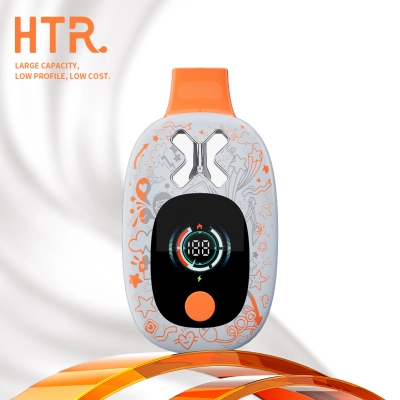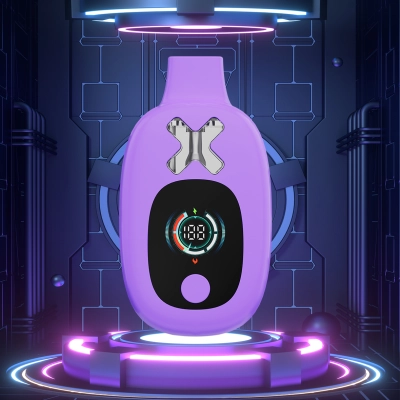
Engineering-focused empty vape hardware, designed for real-world cannabis and hemp applications.
At HTR, “technology” is not about flashy buzzwords.
It means reliable engineering inside empty disposable devices, cartridges and batteries that are filled and sold by licensed partners in legal markets.
We build platforms that respect three principles:
-
Fit the oil – coil and intake tuned for your formulation
-
Survive the journey – from filling line to end user
-
Stay consistent – batch after batch, market after market
And we do all of this strictly within our role:
Hardware only – no oil, no nicotine, no THC.
Coil & Intake Engineering
Every HTR platform starts with a simple question:
“What oil is this device built for?”
Based on your target formulation and capacity, our engineers tune:
-
Coil type & resistance
-
Ceramic cores engineered for thick oil, distillate and CBD blends
-
Resistance ranges tailored to balance flavor, vapor density and battery life
-
-
Intake system design
-
Number, diameter and position of intake holes
-
Oil path geometry to support wicking without flooding
-
-
Thermal behavior
-
Stable heating to reduce burn risk and off-flavors
-
Designs that tolerate typical filling and storage temperatures in real supply chains
-
This coil + intake pairing is what allows the same hardware platform to behave predictably across different batches and markets.
Oil Path & Material Choices
In empty vape hardware, materials and oil path design are critical.
HTR focuses on:
-
Clean oil path layouts
-
Postless and centerless designs on selected platforms
-
Reduced unnecessary metal exposure in the oil path
-
-
Material selection
-
Ceramic, metals and polymers selected to meet common cannabis and hemp hardware expectations
-
Attention to seals and gaskets for leak resistance
-
-
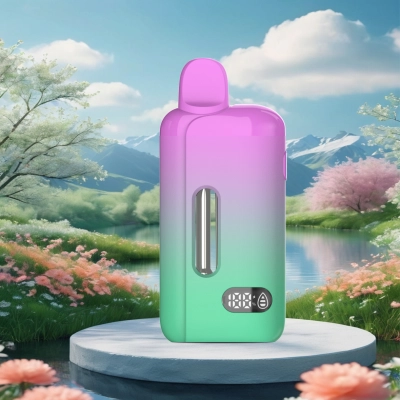
Oil window design
-
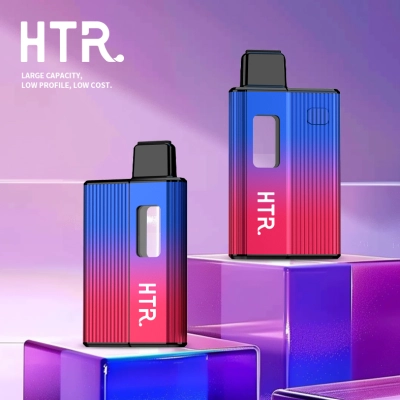
Window size and shape optimized for user visibility and structural integrity
-
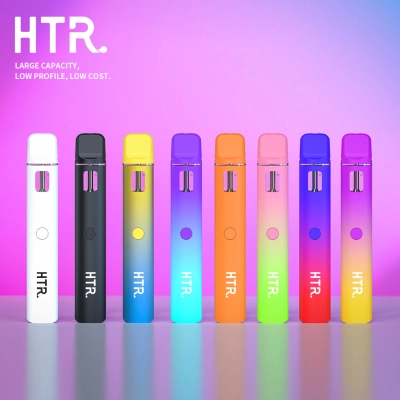
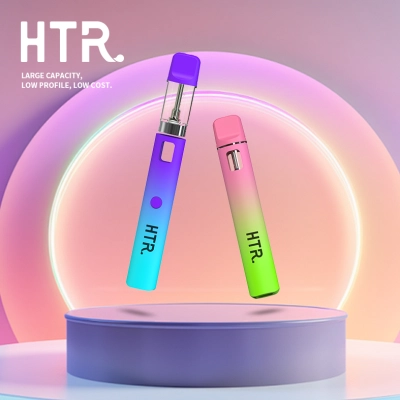
Support for gradient finishes and branding without hiding the oil level
-
We design structures to support both thick oils and demanding filling processes, guided by feedback from processors and co-packers.
Battery & Electronics
Power systems are at the core of device reliability and user experience.
HTR platforms integrate:
-
Battery capacities matched to oil volume
-
Ensuring the device can comfortably support the intended number of puffs
-
Avoiding over-spec or under-spec batteries that impact cost or reliability
-
-
Protection circuits
-
Over-charge, over-discharge and short-circuit protections on applicable models
-
PCB designs that work with modern USB Type-C charging on selected platforms
-
-
Stable output behavior
-
Power delivery tuned for the coil and intake design
-
Options for fixed or staged power behavior depending on the project
-
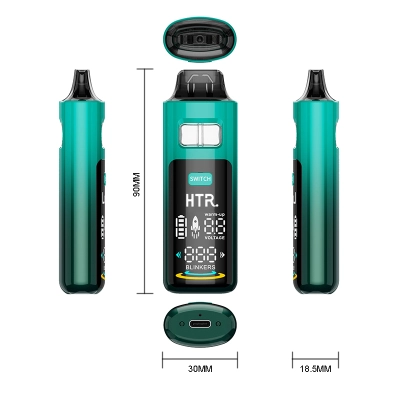
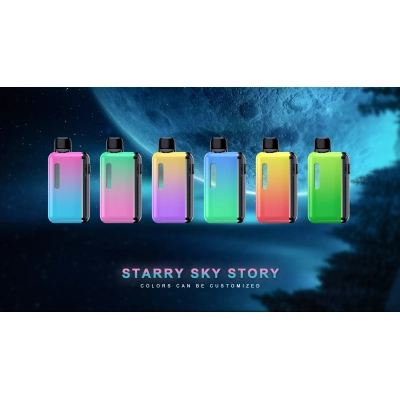
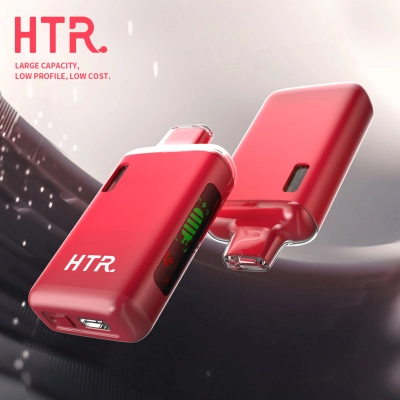
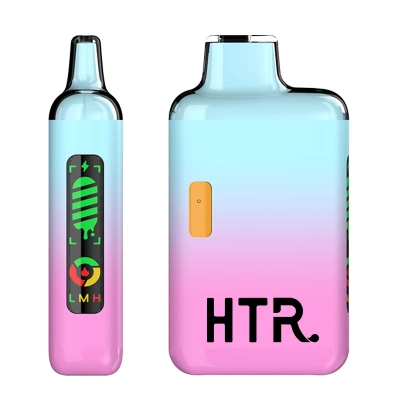
For screen devices, hardware and firmware are designed together to keep the system simple, readable and robust.
Screens, UI & Interaction
On platforms with screens or advanced indicators, we focus on clarity and durability rather than gimmicks.
Typical features include:
-
Basic battery level indicators
-
Puff count or usage indication on selected models
-
Simple mode or status icons aligned with brand requirements
For ODM projects, we can support:
-
Custom UI icon sets and layouts
-
Consistent on-device language and symbols to match your brand ecosystem
All UI design is constrained by hardware realities: screen size, power consumption and long-term reliability.
Structural Design: Postless, Dual-Chamber & UFO Forms
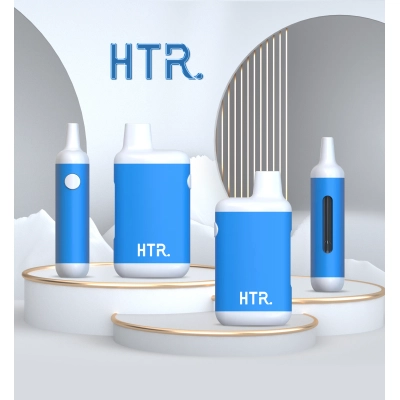
HTR develops and manufactures a wide range of form factors:
-
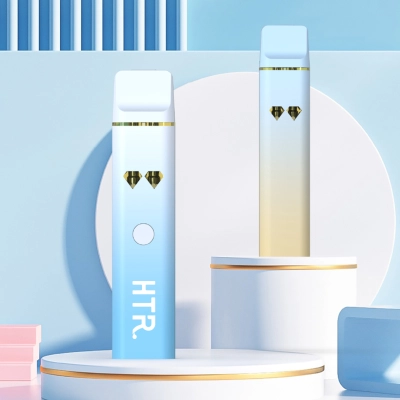
Postless disposable designs
-
Centerless structures that reduce metal in the oil path
-
Clean internal layouts for both aesthetics and functionality
-
-
Dual-chamber and switch devices
-
1g+1g, 4g+4g and other multi-chamber configurations
-
Independent flow paths to support two flavors or formulations in one device
-
-
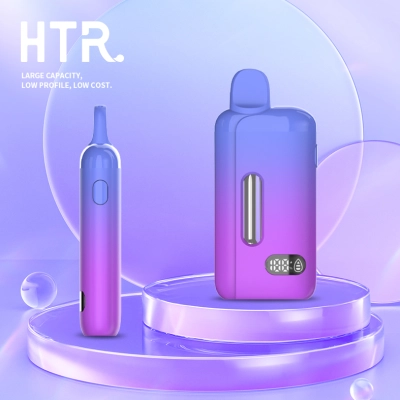
UFO-style and high-capacity platforms
-
Wider bodies engineered for 3–6 ml and beyond
-
Internal layouts optimized for tank volume, battery and electronics
-
Each form factor is treated as a platform, not a one-off design – with defined tolerances, tests and manufacturing SOPs.
Quality Control & Testing
Our technology is only as good as its consistency.
HTR uses a structured QC workflow across the manufacturing process, including:
-
Incoming inspection of key components (batteries, cores, seals, shells)
-
In-process checks for assembly, resistance and sealing
-
Final inspections for appearance, fit, resistance and basic functionality
Selected platforms and projects may include:
-
Leak testing under pressure or temperature variation
-
Drop and vibration testing for packaging and transport conditions
-
Sample-level evaluations after filling by partner labs or brands
Battery-related documentation (such as UN38.3 for applicable cells) can be provided to support safe shipping and compliance processes handled by our customers.
Data, Traceability & Continuous Improvement
HTR treats every major production as a chance to learn.
We support:
-
Batch-level traceability for key components and assemblies
-
Logging of test results and feedback by batch and shipment
-
Structured follow-ups when brands share field data on leak rates, clog rates or user returns
Over time, this allows us to:
-
Refine platform designs
-
Adjust tolerances and material choices
-
Recommend better hardware–oil pairings for new projects
Our technology roadmap is driven by real usage feedback, not just lab conditions.
Technology with a Clear Scope
Finally, we keep our scope and responsibilities clear:
HTR develops and manufactures empty vape hardware technology –
disposable devices, cartridges, batteries and accessories for licensed brands.
We do not:
-
Fill oil
-
Produce or sell nicotine or THC
-
Offer finished consumer products
This focus allows us to dedicate our engineering and manufacturing capacity to what we do best:
building stable, scalable hardware platforms for your brand.