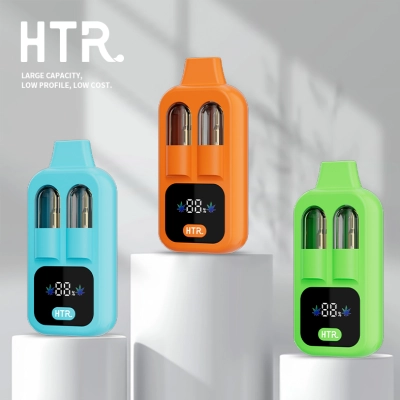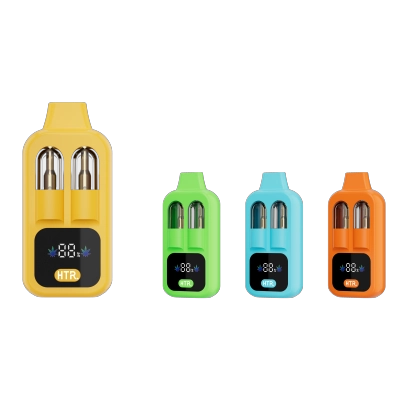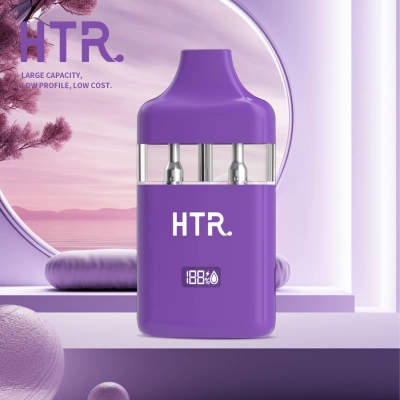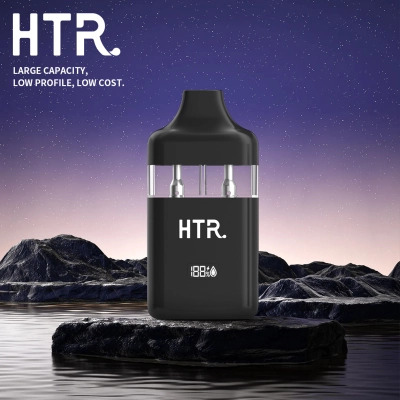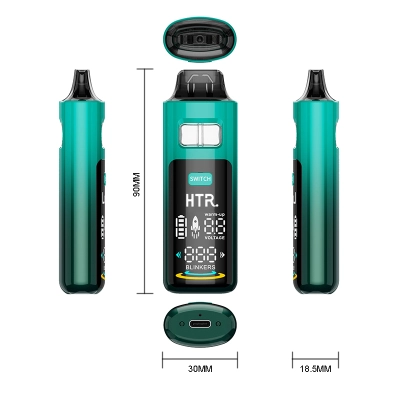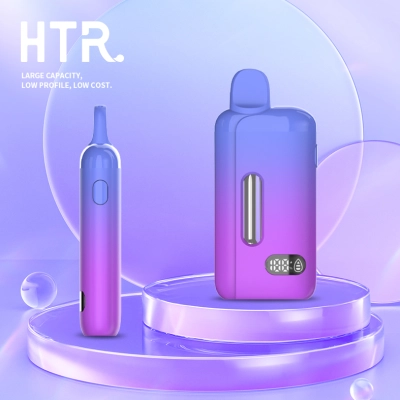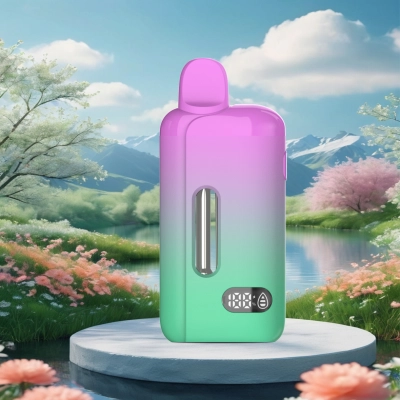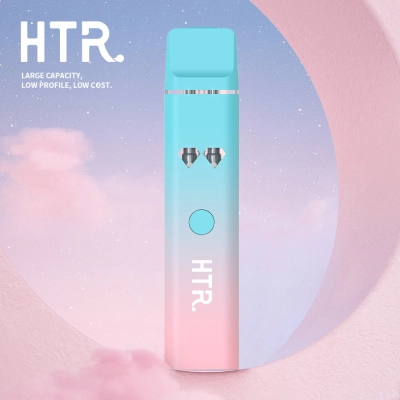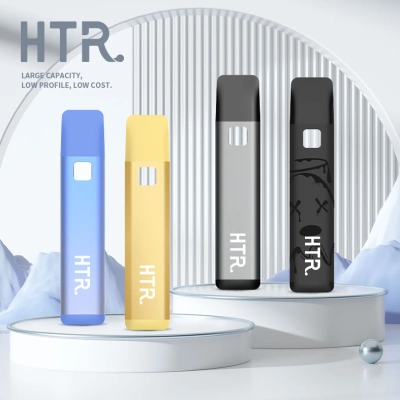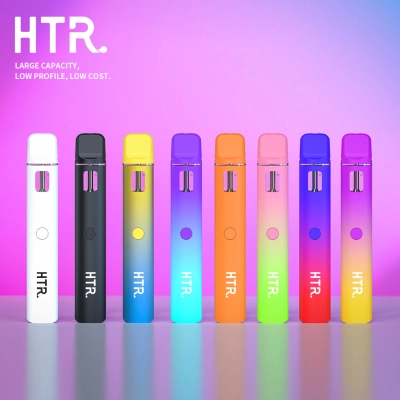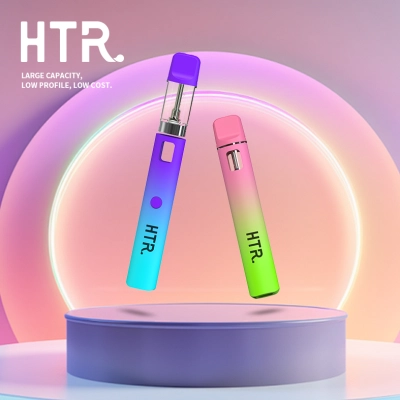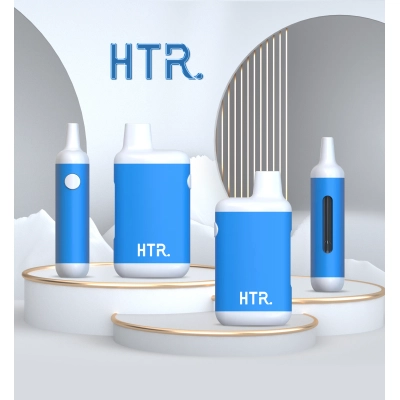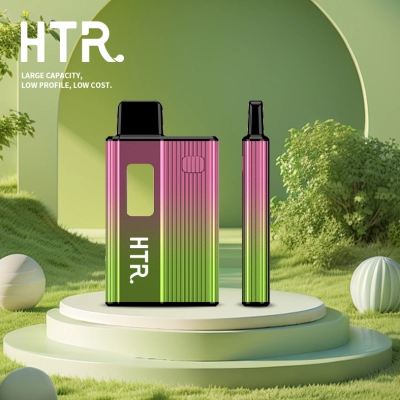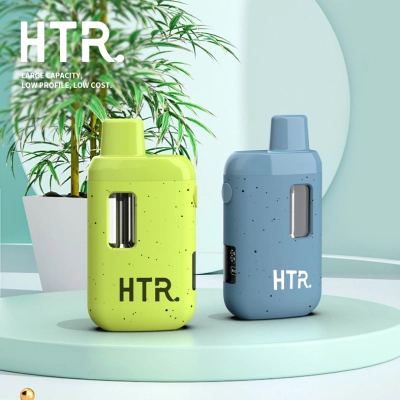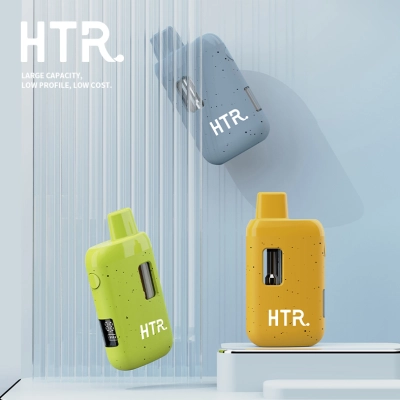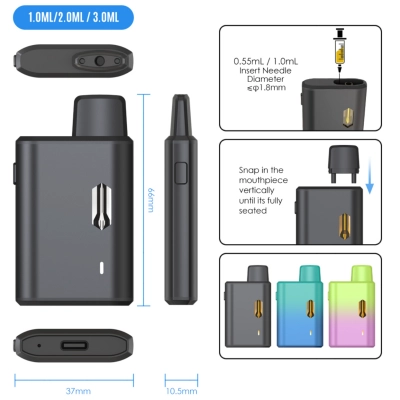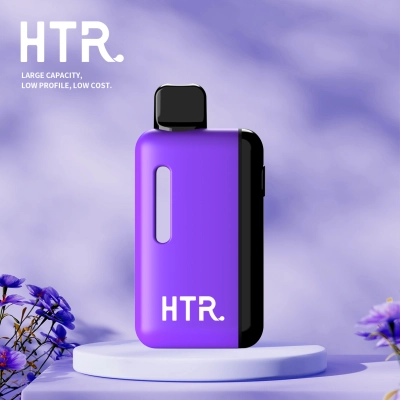
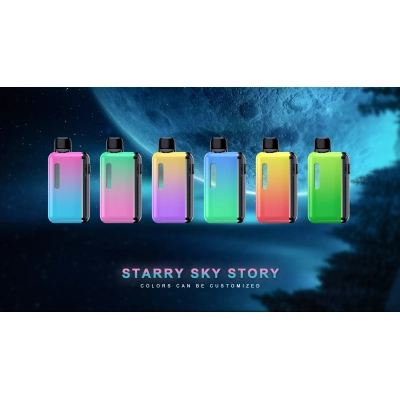
What's the benefits of 8g disposables?
Why 8g helps (at a glance)
Fewer swaps, longer service life per unit: One device covers more sessions, cutting mid-week stockouts and reducing customer “carry spares.”
Lower cost per gram/mL: Packaging, pick/pack, and last-mile are amortized over more oil—typically improving margin versus multiple smaller sticks.
Higher AOV with stable ROI: Premium ticket without multiplying after-sales touches; good for promo bundles (2-pack/3-pack) and loyalty tiers.
Shelf efficiency: Fewer SKUs to reach the same volume sold; simplifies facing and planograms.
Rechargeable convenience (USB-C): Less “dead on shelf” risk; quicker counter support because customers already have the cable.
Stronger flavor consistency over time: Bigger reservoirs pair well with 0.8–1.2Ω mesh/ceramic options and smarter power curves, keeping wicking stable across the fill.
Better RMA economics: One robust chassis + larger cell often means fewer “DOA/underpowered” complaints than multiple minis (assuming decent QC and gasket tolerances).
Branding real estate: Taller housings fit readable compliance marks, QR/lot codes, and anti-counterfeit features without clutter.
Logistics wins: Case counts move more oil per carton → fewer replenishment touches, lower handling cost per gram.
Retailer/Distributor advantages
Inventory math that works: Replace 3–4 small units with 1 large unit to hit target sell-through—simplifies forecasting and cycle counts.
Promo flexibility: “Weekend-proof” or “travel-proof” positioning resonates with heavy users and event buyers.
OEM/ODM advantages
Thermal headroom: Larger bodies accommodate better heat sinking and multi-gasket leak control; easier to certify consistent output.
Battery options: Bigger mAh → stable output curve, fewer dry hits at end-of-life.
Component economics: Scaling coil and battery purchases for a single high-volume SKU often beats fragmented small-size BOMs.
Simple TCO frame (use in pitch decks)
Small format path: Units/month × Unit_Cost + Handling/RMA
8g path: (Units/month ÷ 3–4) × Unit_Cost_8g + Lower Handling/RMA
→ Even with a higher unit price, cost per gram and per customer-day typically drops when failure rate is controlled.
Positioning angles that convert
“Fewer recharges, fewer reorders” (ops + convenience)
“Lower cost per day” (value math)
“Cleaner display, easier compliance” (labels, QR, warnings are legible)
Quick caveats (so your copy stays credible)
Regulatory fit varies by market. 8g pre-filled formats are for non-TPD markets and must follow local rules.
Weight & pocketability. Heavier than minis—counter with better ergonomics and lanyard options.
Quality matters. Larger reservoirs magnify poor gasket/coil design—spec tight tolerances and proper wicking windows.